
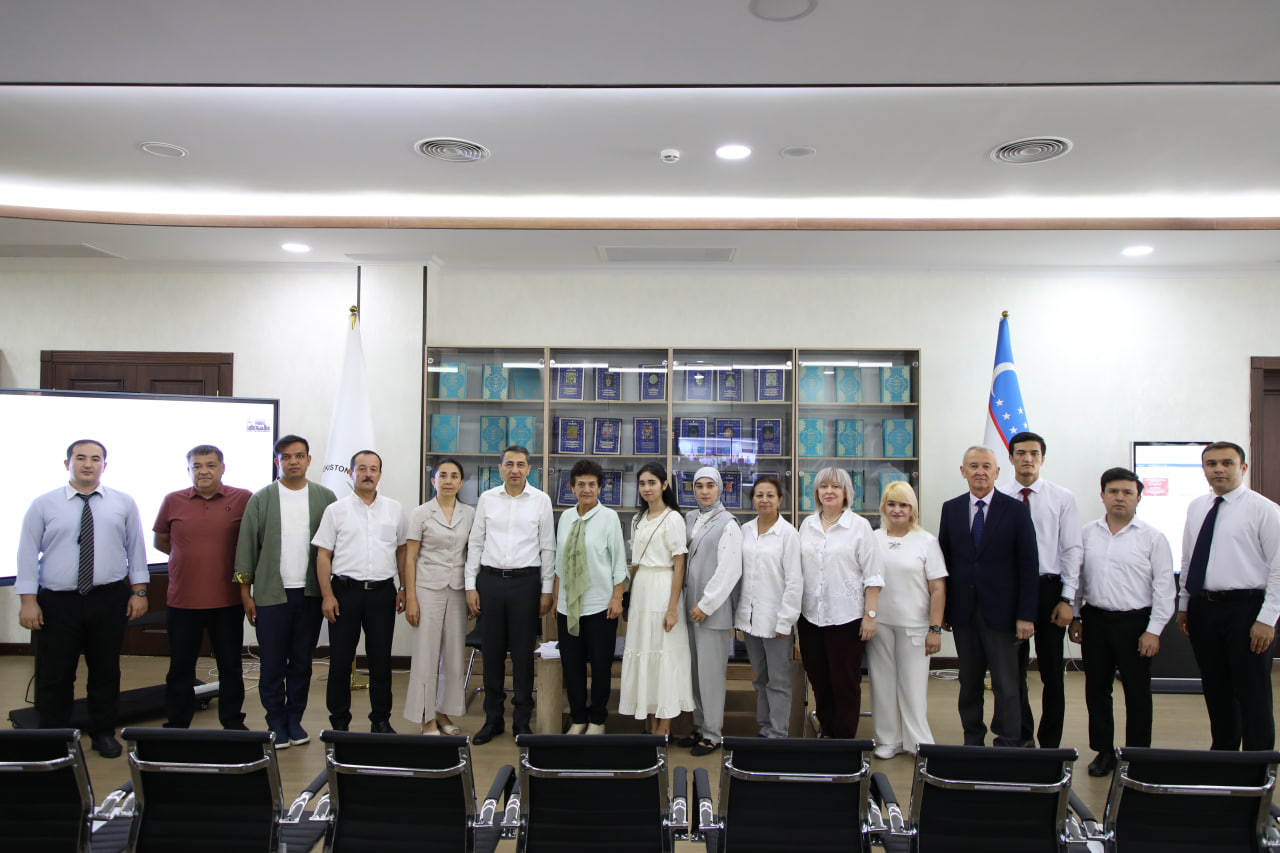
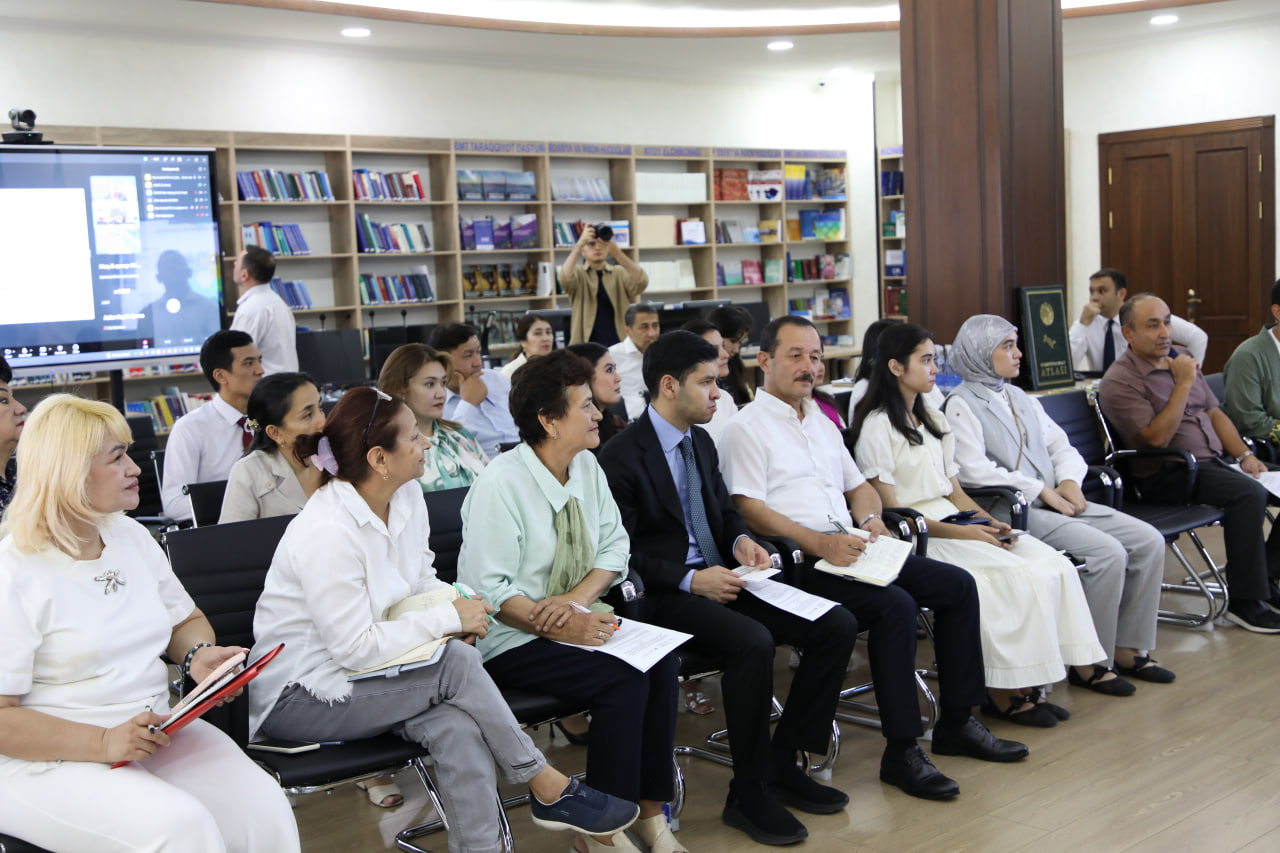
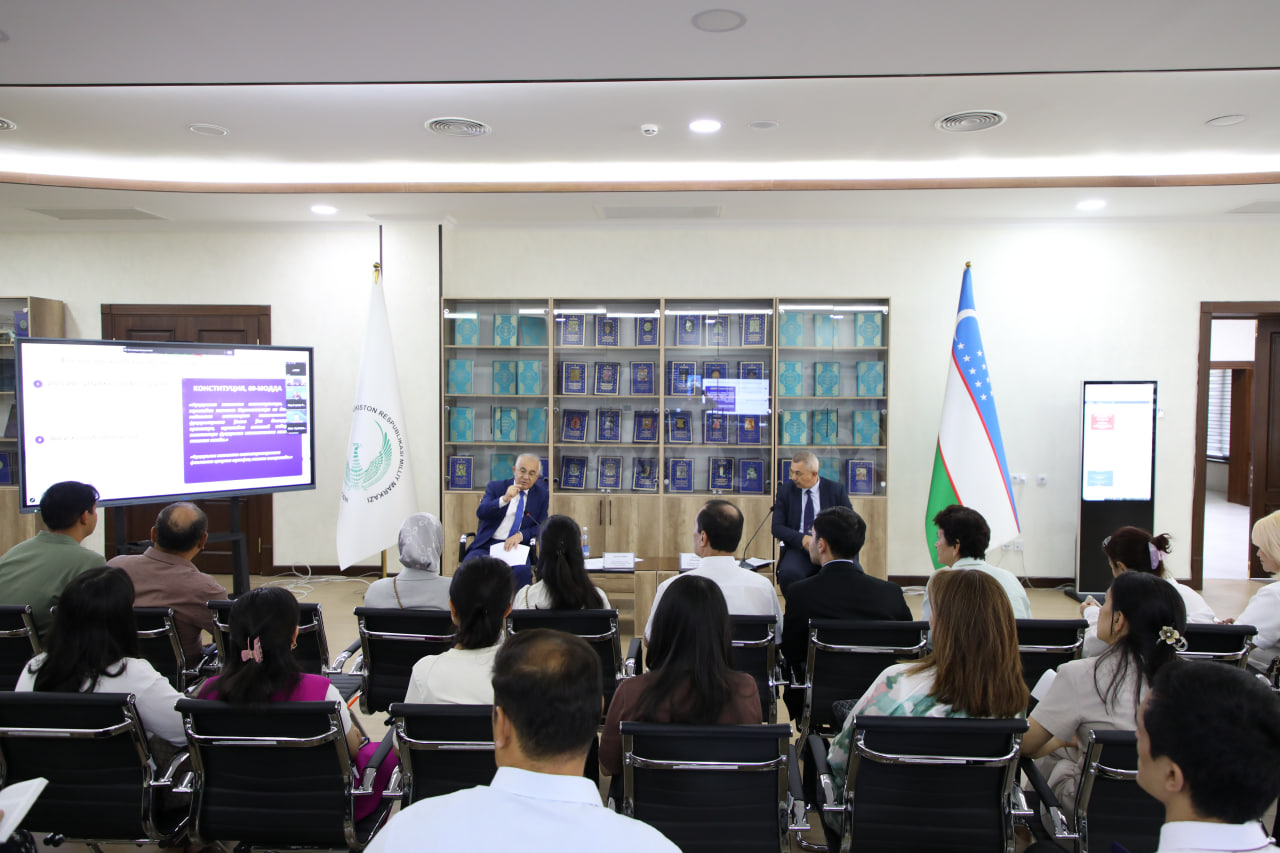
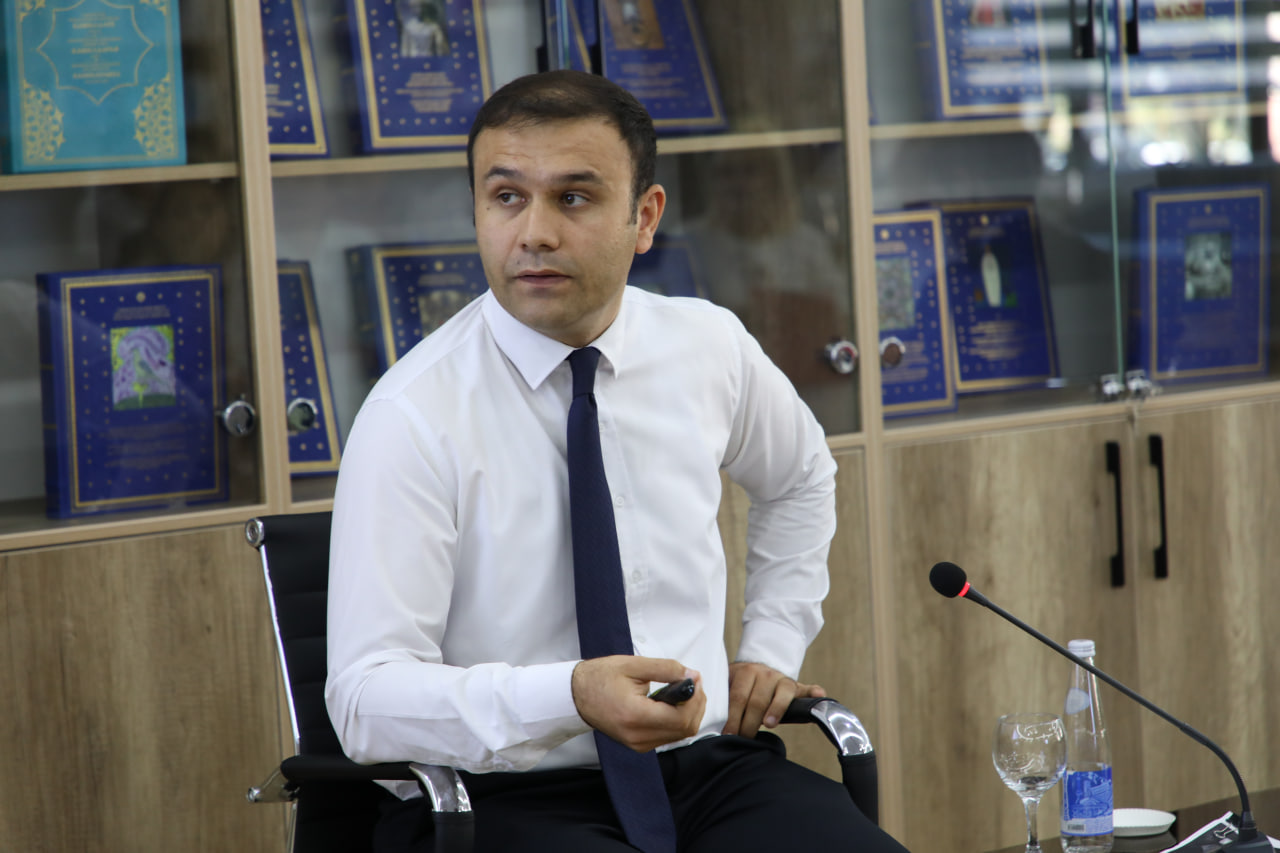
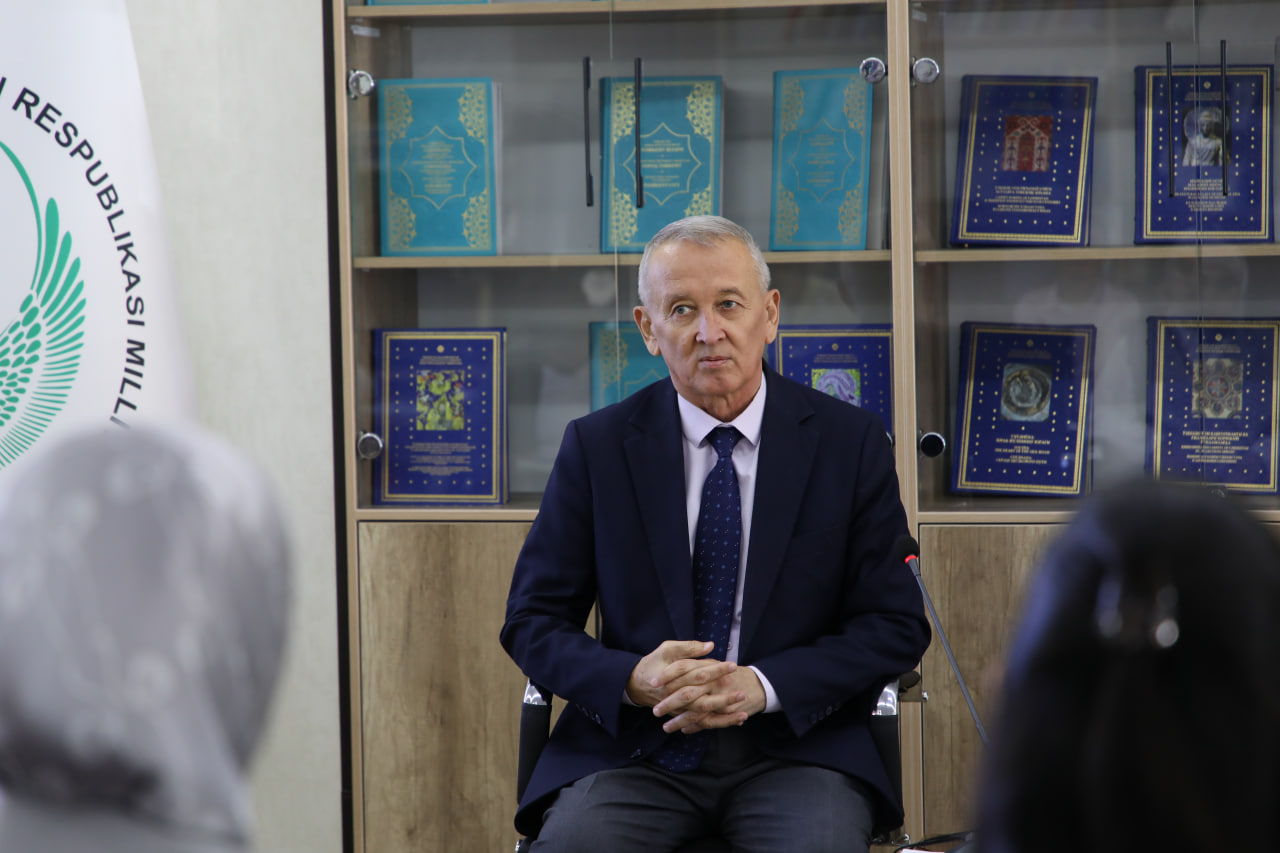
On 28 August 2026, a training seminar for representatives of non-governmental non-profit organizations (NGOs) was held at the Human Rights House in Tashkent, located in the building of the National Human Rights Centre of the Republic of Uzbekistan, on the topic: “Preparation of ‘Alternative’ Reports on International Human Rights Treaties and the Key Principles of the Aarhus Convention aimed at enhancing public participation in environmental decision-making.”
The event was organized in cooperation with the National Human Rights Centre of the Republic of Uzbekistan and the National Association of Non-Governmental Non-Profit Organizations of Uzbekistan, within the framework of the “Roadmap for the Implementation of the Fifth Phase of the World Programme for Human Rights Education in the Republic of Uzbekistan,” approved by Resolution No. 91 of the Cabinet of Ministers of the Republic of Uzbekistan dated 3 March 2026.
A total of 30 participants from various regions of the country attended the seminar, including staff members of the Association’s central office and regional branches, as well as representatives of its member NGOs.
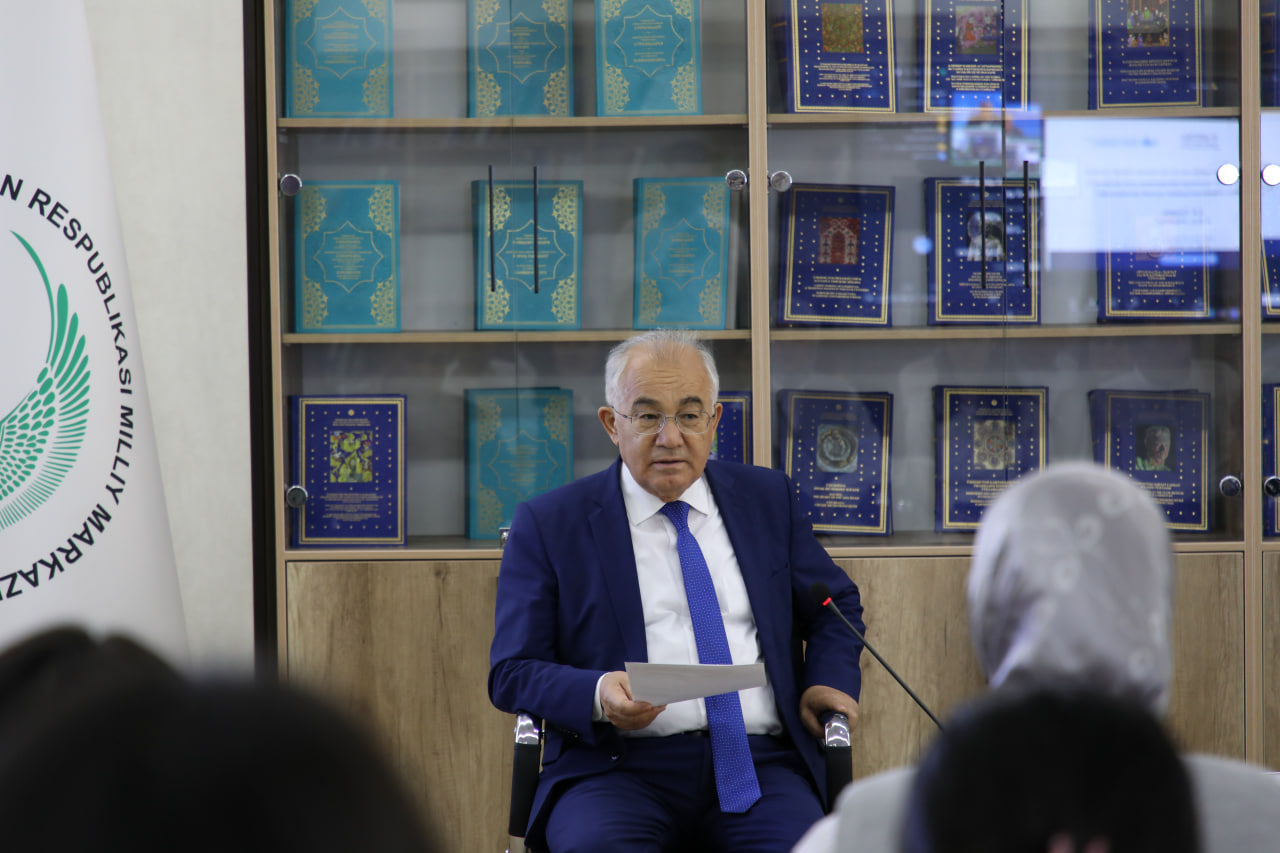
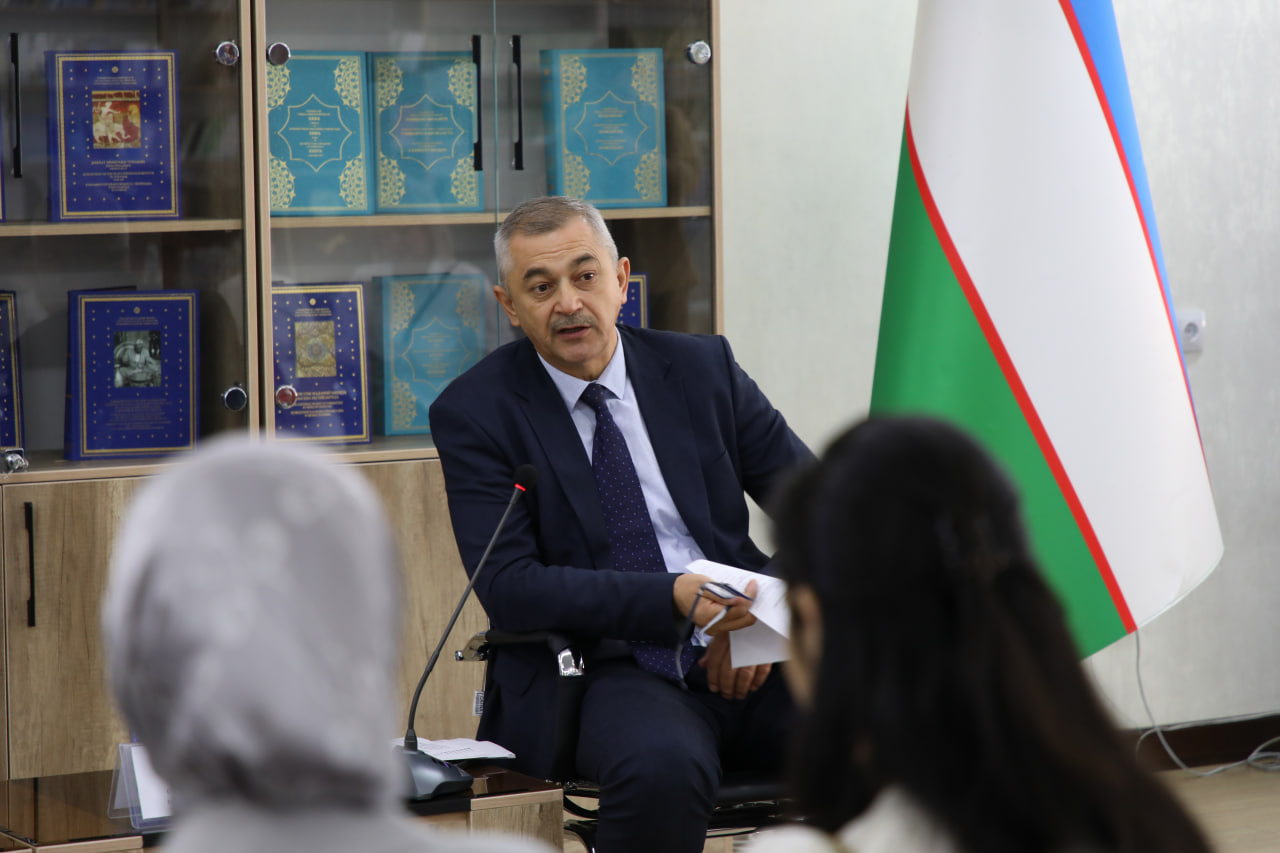
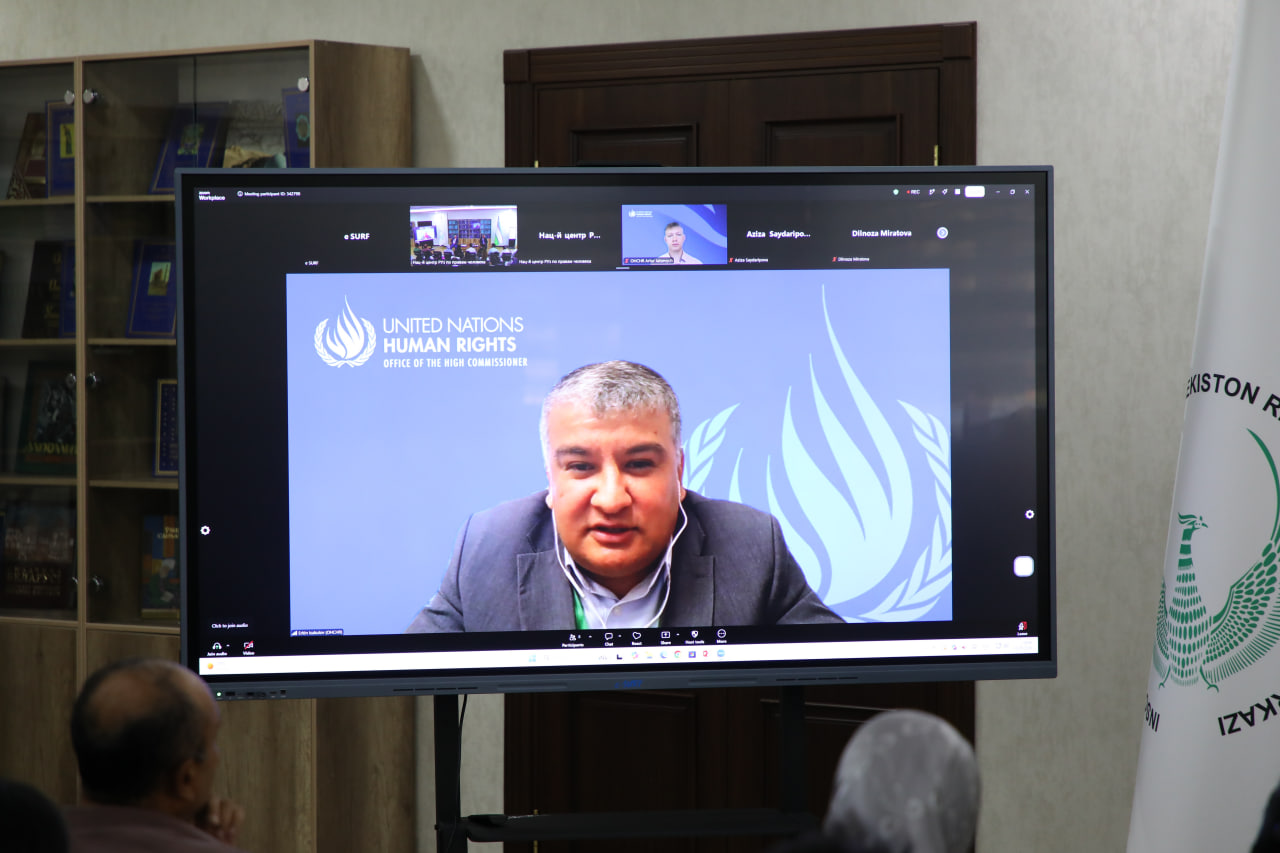
The opening ceremony was attended by Akmal Saidov, Director of the National Human Rights Centre of the Republic of Uzbekistan; Kamoliddin Ishankhodjaev, Chairman of the Council of the National Association of Non-Governmental Non-Profit Organizations of Uzbekistan; and Erkin Isakulov, Human Rights Adviser for the Regional Office for Central Asia of the UN High Commissioner for Human Rights (OHCHR).
The speakers at the opening ceremony emphasized that the protection of human rights and fundamental freedoms, as well as ensuring their effective implementation in practice, are among the key priorities of any democratic state. It was also noted that effective cooperation between civil society institutions and government authorities is essential for the consistent advancement of human rights reforms.
In particular, A. Saidov noted that a special action plan has been adopted in our country to mark the 60th anniversary of the adoption of the International Covenant on Civil and Political Rights and the International Covenant on Economic, Social and Cultural Rights, and that today's training seminar is being held in harmony with this momentous occasion. He specifically underscored that protecting human rights is a shared responsibility not only of state bodies, but of society as a whole, particularly civil society institutions.
Also in his speech, A. Saidov specifically focused on the constitutional and legal foundations of civil society institutions. It was noted that the Constitution in its new edition, adopted in 2023 through a nationwide referendum, defined the strategic goal of building a sovereign, democratic, legal, social, and secular state, while the principles of social justice and solidarity were elevated to a constitutional status. Furthermore, for the first time in the history of national legislation, a separate Chapter XIII dedicated to civil society institutions was introduced, officially recognizing them as independent constitutional entities.
In addition, A. Saidov stated that the idea of "Elevating Human Dignity" has become the core criterion of the country's development, and large-scale human rights reforms are being implemented under the "Uzbekistan — 2030" strategy. He also informed that Uzbekistan has ratified 11 out of 18 UN human rights treaties (including 7 core treaties and 4 optional protocols), and that a total of 52 national reports have been submitted to relevant UN charter and treaty bodies since the establishment of the National Center.
As noted during the event, regarding the implementation of international human rights conventions in the Republic of Uzbekistan, over 140 international and national non-governmental non-profit organizations have submitted alternative reports to the relevant UN committees. Of these, 22 are non-governmental non-profit organizations operating within the territory of the Republic of Uzbekistan.
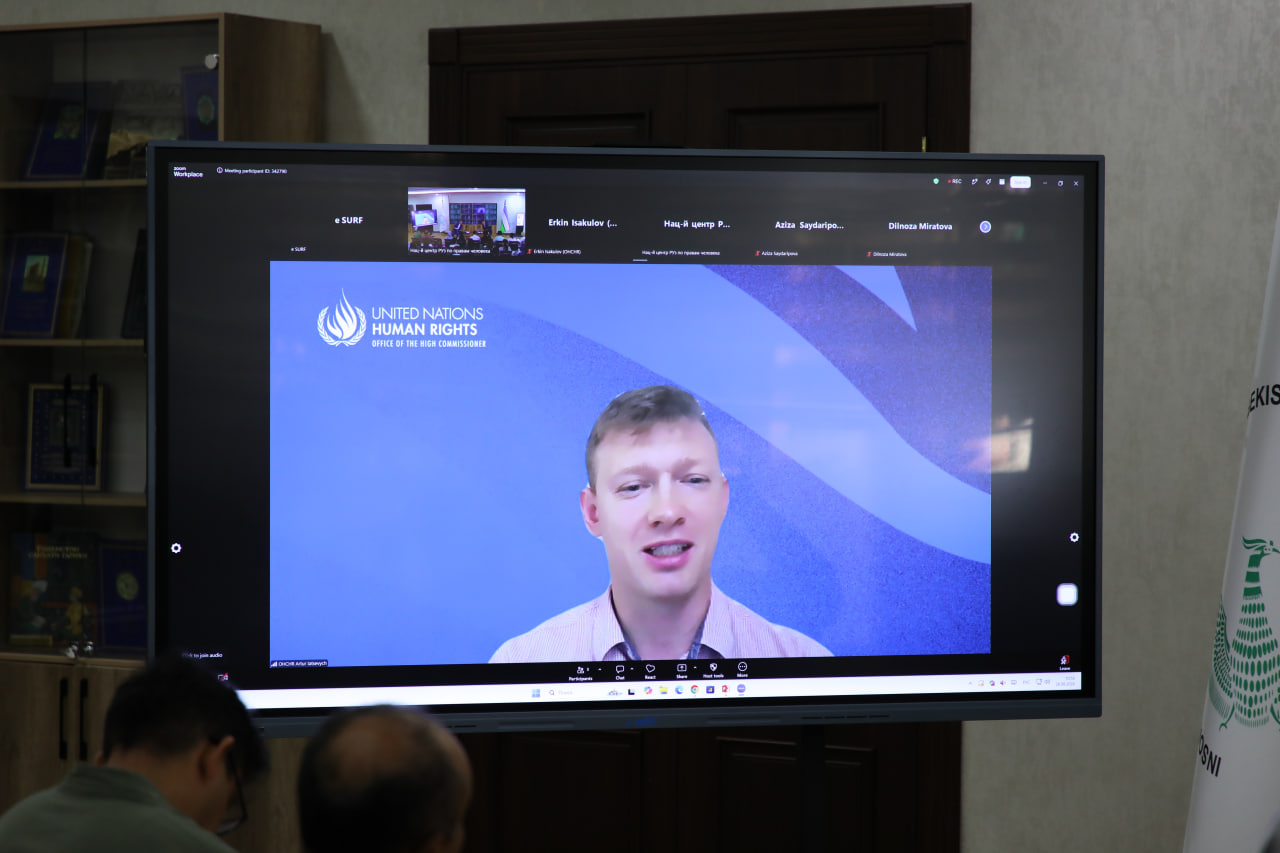
Arthur Yatsevich, Human Rights Adviser at the Office of the United Nations High Commissioner for Human Rights, provided practical information to the seminar participants. In particular, he gave detailed explanations regarding international human rights monitoring mechanisms, procedures for cooperating with charter bodies, and the modern methodology and international standards for preparing alternative reports by civil society institutions.
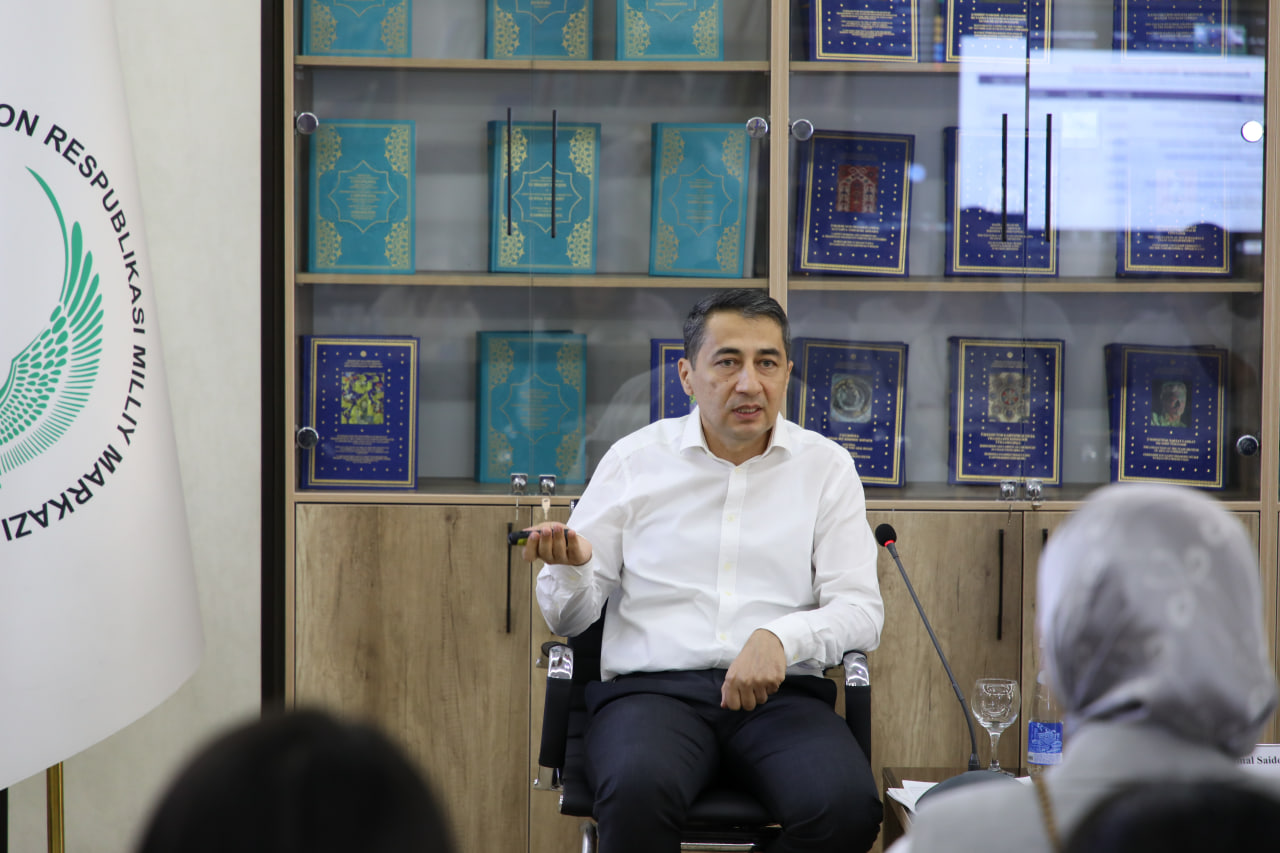
The second part of the seminar focused on the key principles of the Aarhus Convention. A representative of the National Committee of the Republic of Uzbekistan for Ecology and Climate Change provided participants with detailed information on the three main “pillars” of the Aarhus Convention: the right of access to environmental information, the right of the public to participate in environmental decision-making, and access to justice for the protection of environmental rights.
As a result of the event, participants acquired practical skills in preparing “alternative” reports on human rights and familiarized themselves with practical recommendations on applying the principles of the Aarhus Convention. The proposals and recommendations developed during the seminar are expected to be communicated to the relevant government authorities, contributing to the further improvement of decision-making processes in the areas of human rights and environmental protection.
Press Service of the
National Centre of the
Republic of Uzbekistan
for Human Rights