
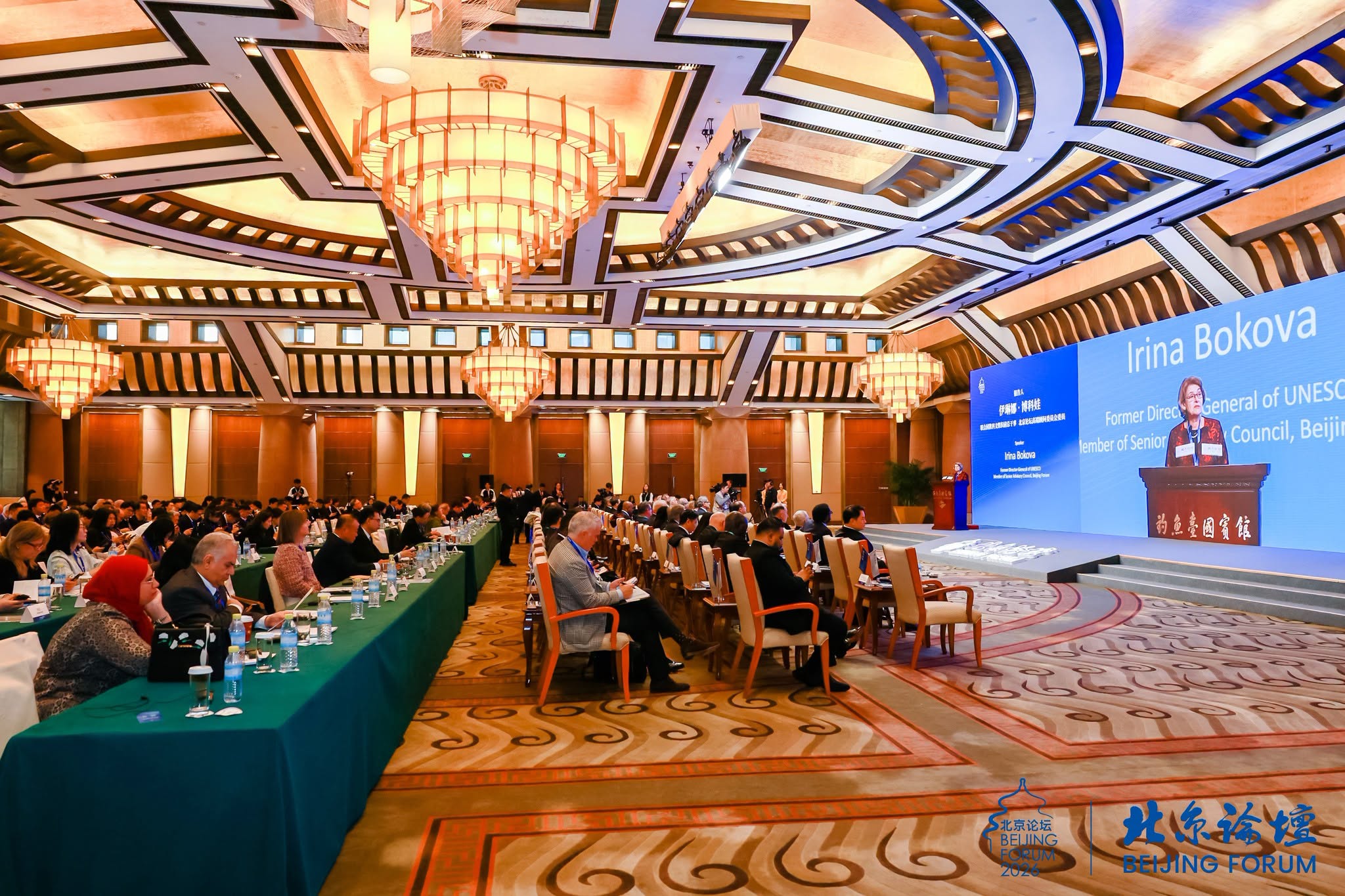
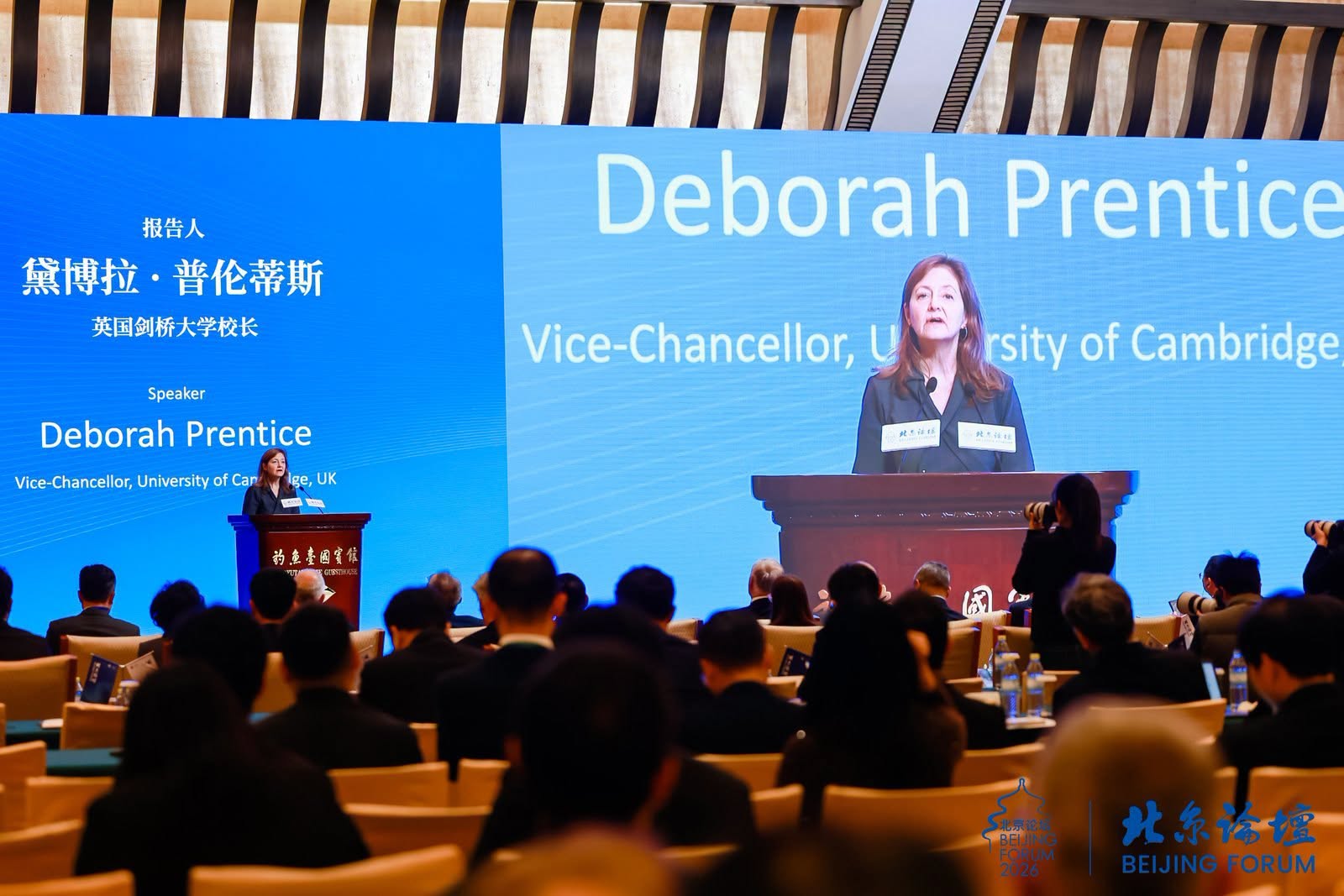
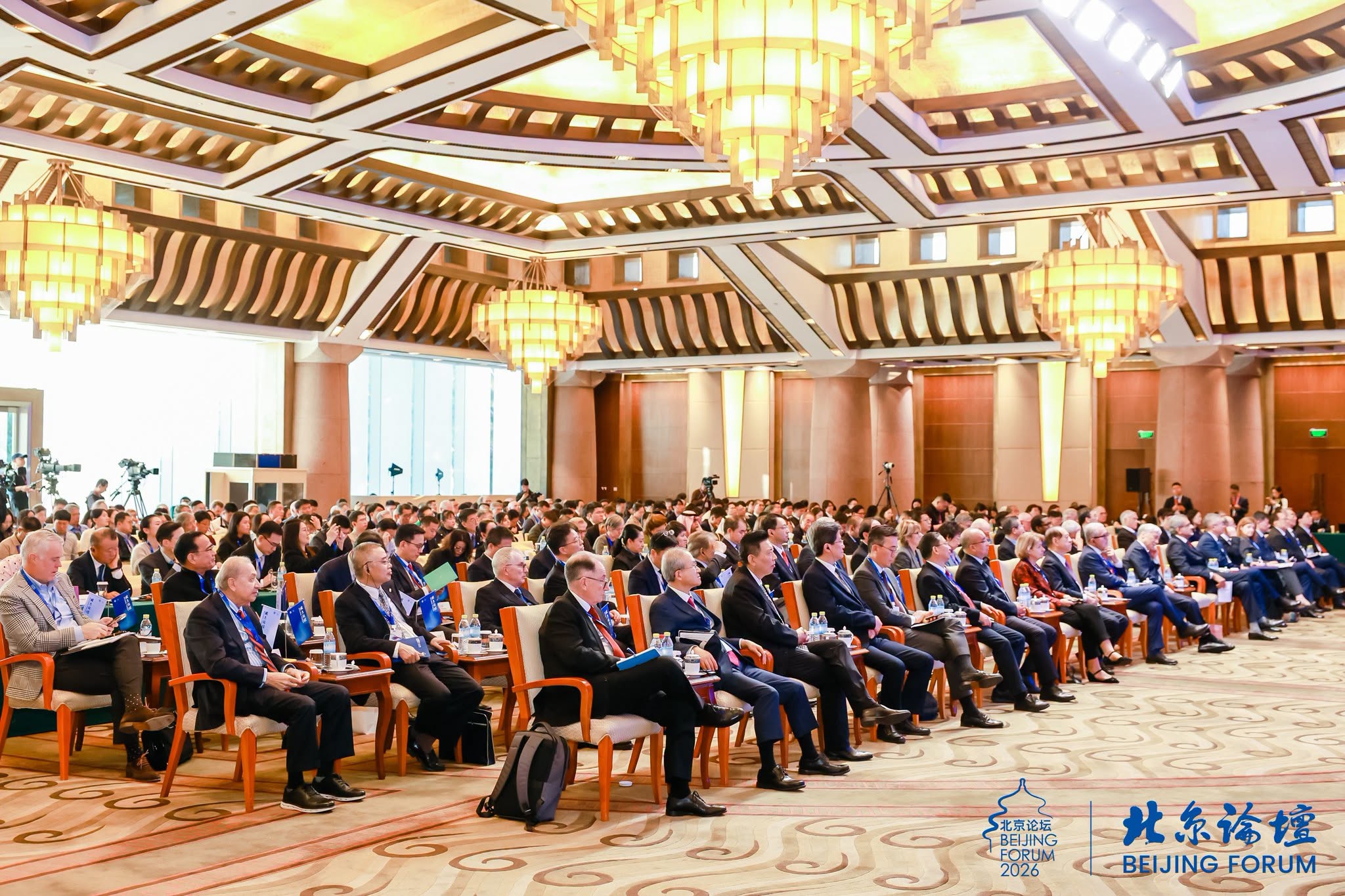
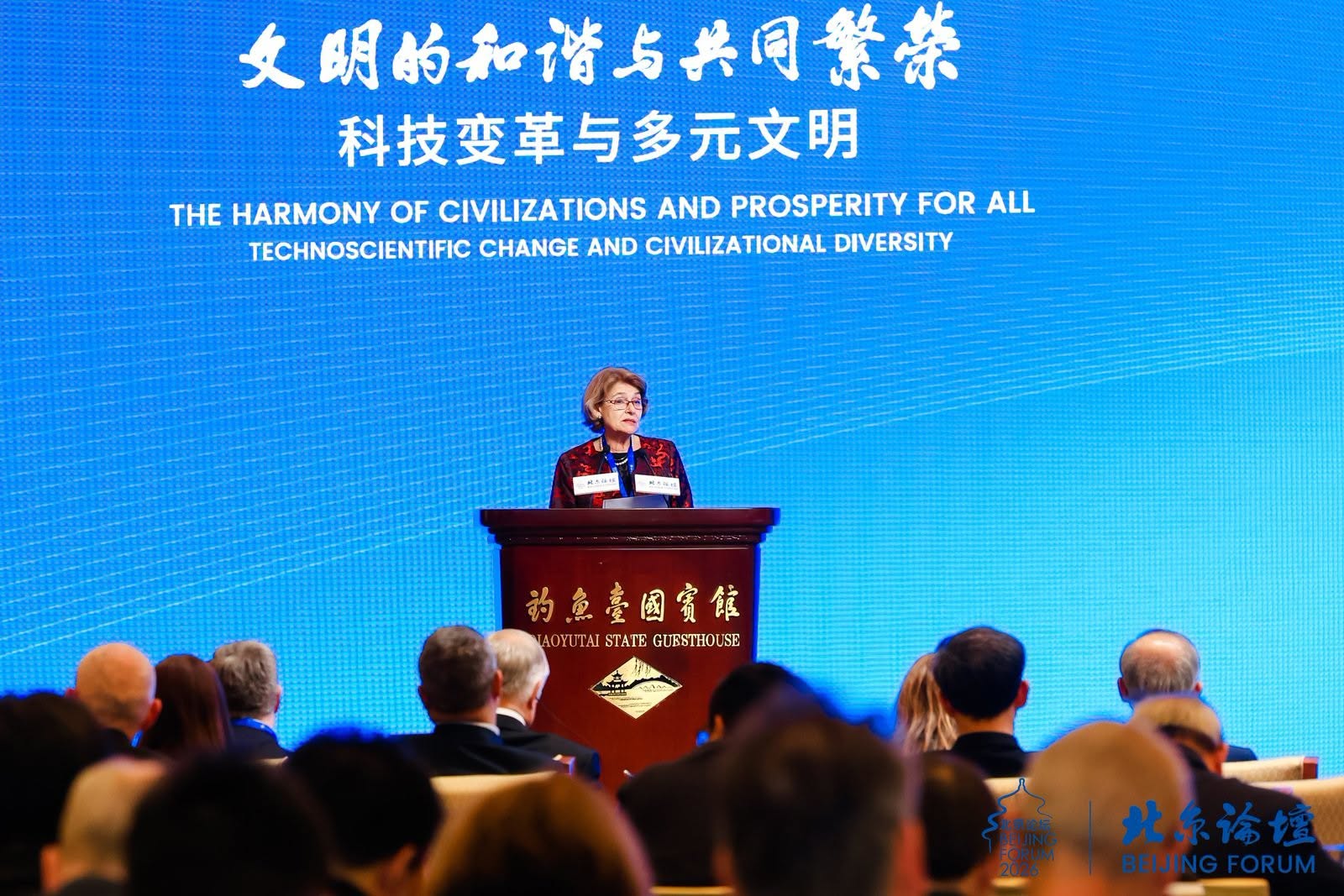
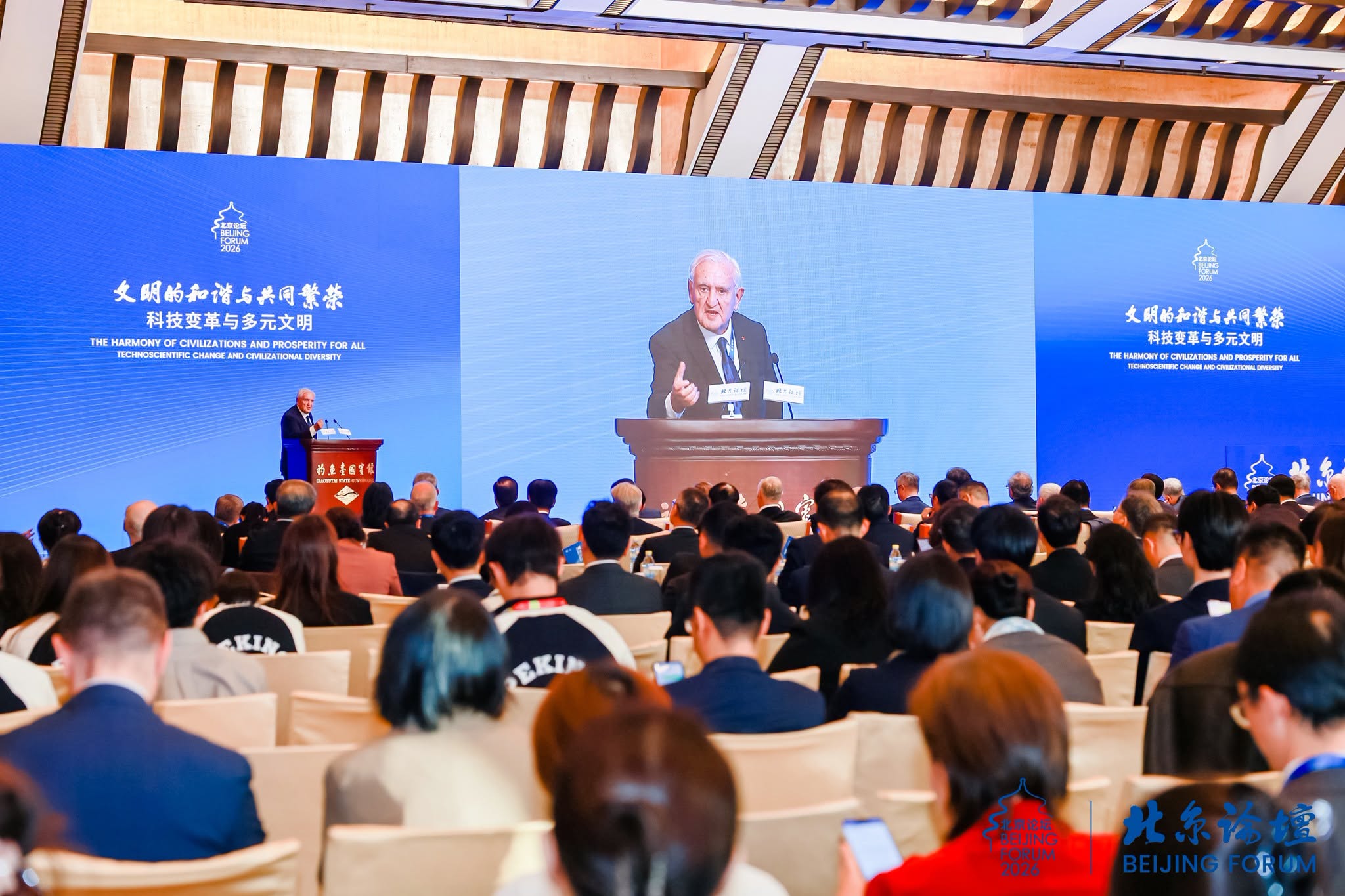
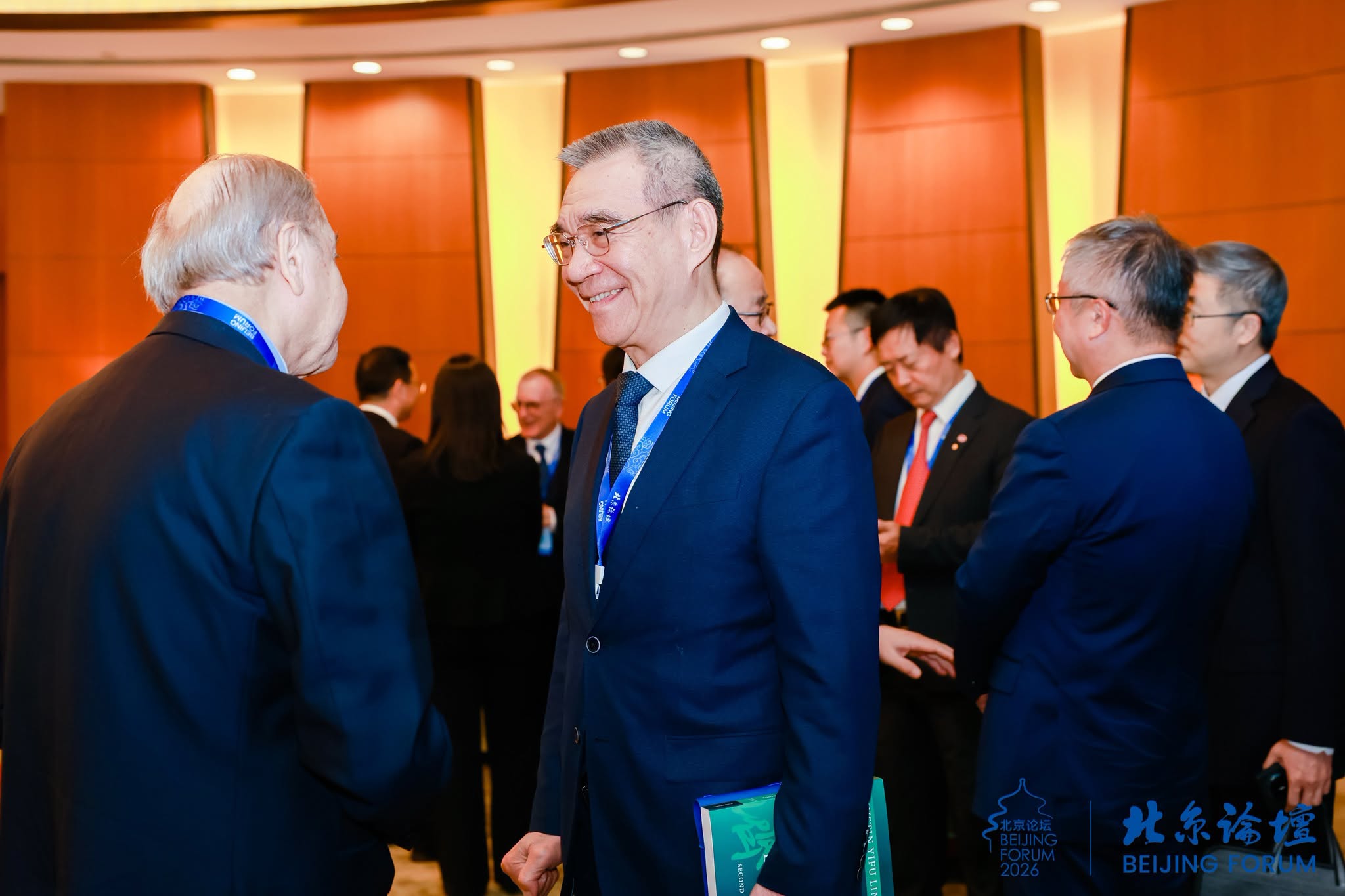
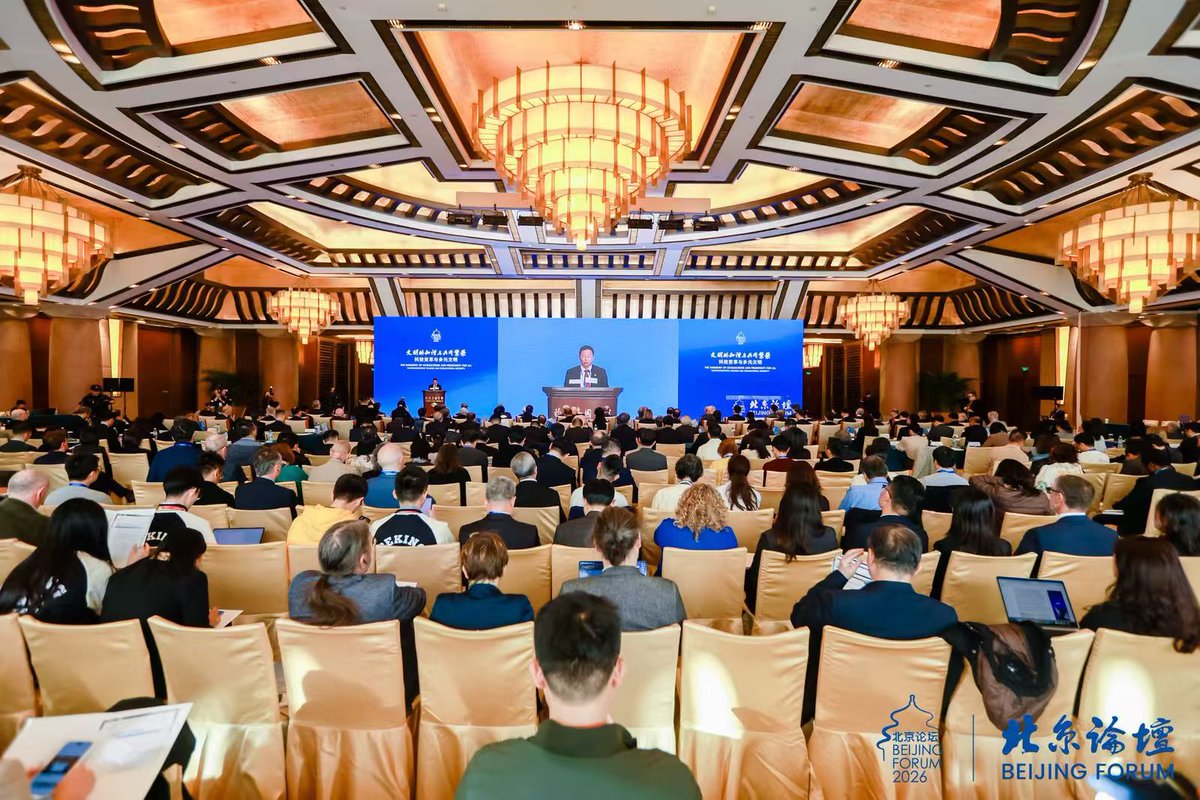

On 6–8 November 2026, the 23rd Beijing Forum was held under the theme “The Harmony of Civilizations and Prosperity for All — Scientific and Technological Transformation and the Diversity of Civilizations”. The Forum was organized by Peking University, the Beijing Municipal Education Commission and the Chey Institute for Advanced Studies (Republic of Korea), with the support of the State Council and the Ministry of Education of the People’s Republic of China.
The opening ceremony was addressed by Gao Song, President of Peking University; Romano Prodi, former President of the European Commission and former Prime Minister of Italy; Jean-Pierre Raffarin, former Prime Minister of France; Ding Zhongli, Vice Chairman of the Standing Committee of the National People’s Congress; Ren Youqun, Vice Minister of Education of the PRC; Shahid Khaqan Abbasi, former Prime Minister of Pakistan; Irina Bokova, former Director-General of UNESCO; and other prominent public and political figures.
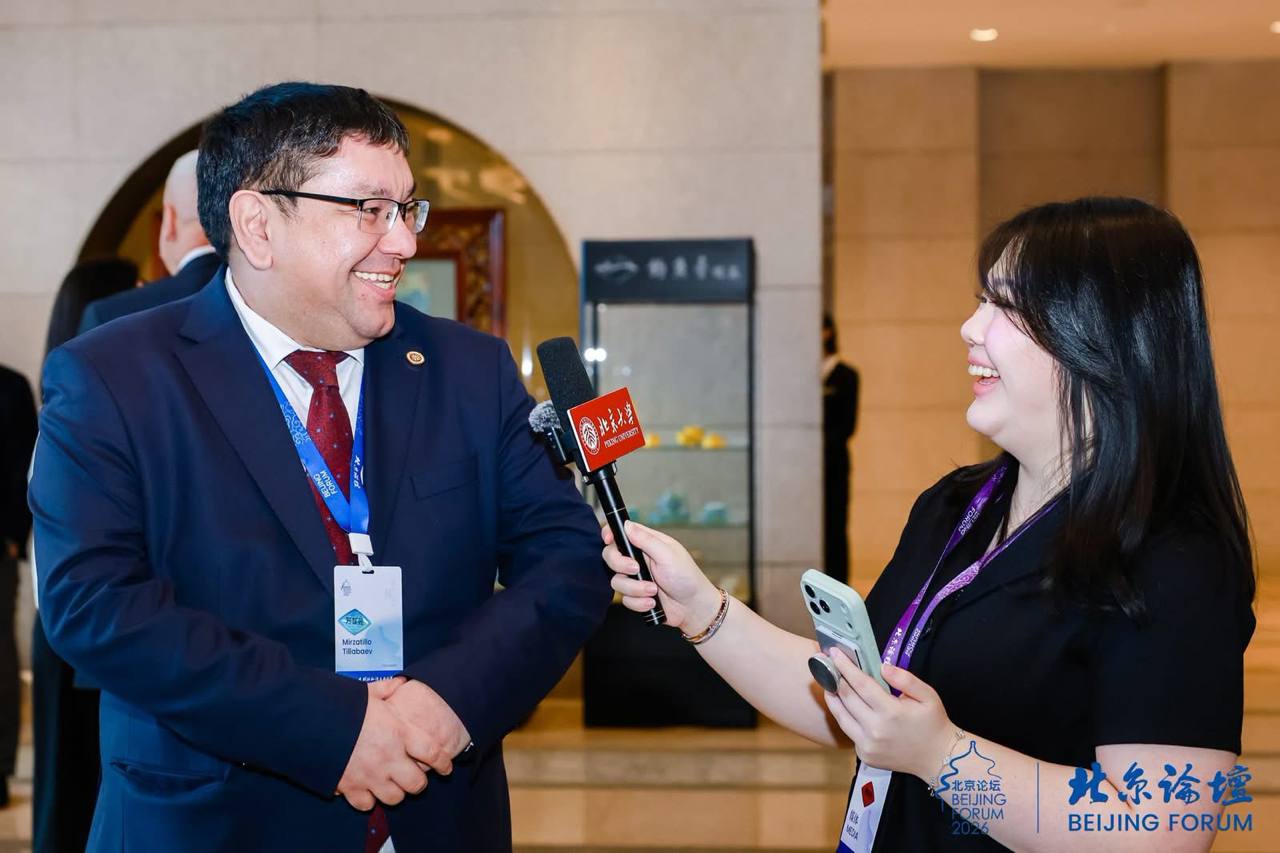
More than 500 scholars and experts, as well as representatives of political circles and the diplomatic corps from 30 countries, took part in the Beijing Forum. Among them was Mirzatillo Tillabaev, First Deputy Director of the National Centre of the Republic of Uzbekistan for Human Rights.
The Beijing Forum promotes the development of the humanities and social sciences, international academic exchange and intercultural discussion, which in turn contribute to social development, the harmony of civilizations and the prosperity of humankind.
Participants in the Beijing Forum noted that, throughout human history, every technological leap has profoundly shaped the face and trajectory of civilization, prompting different traditions to renew themselves through dialogue. Today, global technological transformation is accelerating on an unprecedented scale and depth. It is not only reshaping models of economic development and public governance, but also opening new historical horizons for exchange, mutual enrichment and coexistence among the world’s civilizations. This raises a task of the utmost importance for the well-being of humanity: how to guide the development of technology while respecting differences and embracing diversity, and how to harness technological innovation to unlock the potential of dialogue among civilizations.
It was emphasized at the Forum that technological progress is fundamentally changing the production and dissemination of knowledge, the transmission of values and the forms of cultural self-expression. It creates a new platform for the exchange of knowledge and intellectual interaction among civilizations, yet at the same time gives rise to challenges such as the knowledge gap and digital inequality. The pressing question of our time is how to preserve the humanistic spirit and civilizational diversity amid rapid technological growth, and how to find effective ways for technology to foster deep dialogue and mutual inspiration. The Beijing Forum remains committed to identifying emerging trends, bringing together scholarly thought and responding to real-world questions, while promoting forward-looking research and consensus-building within the international academic community.
During the plenary session and 13 panel sessions of the Forum, participants discussed such issues as the philosophy of technological transformation: scientific practice, values and the dialogue of civilizations; digital humanities and classical Oriental studies; technological transformation and international development; technology, hegemony and the mutual enrichment of civilizations; and others.
Press Service of the National Centre
of the Republic of Uzbekistan for Human Rights